
Seeking specific insights on learning, education, or all things Penn State? Dive into our blog with the search below!
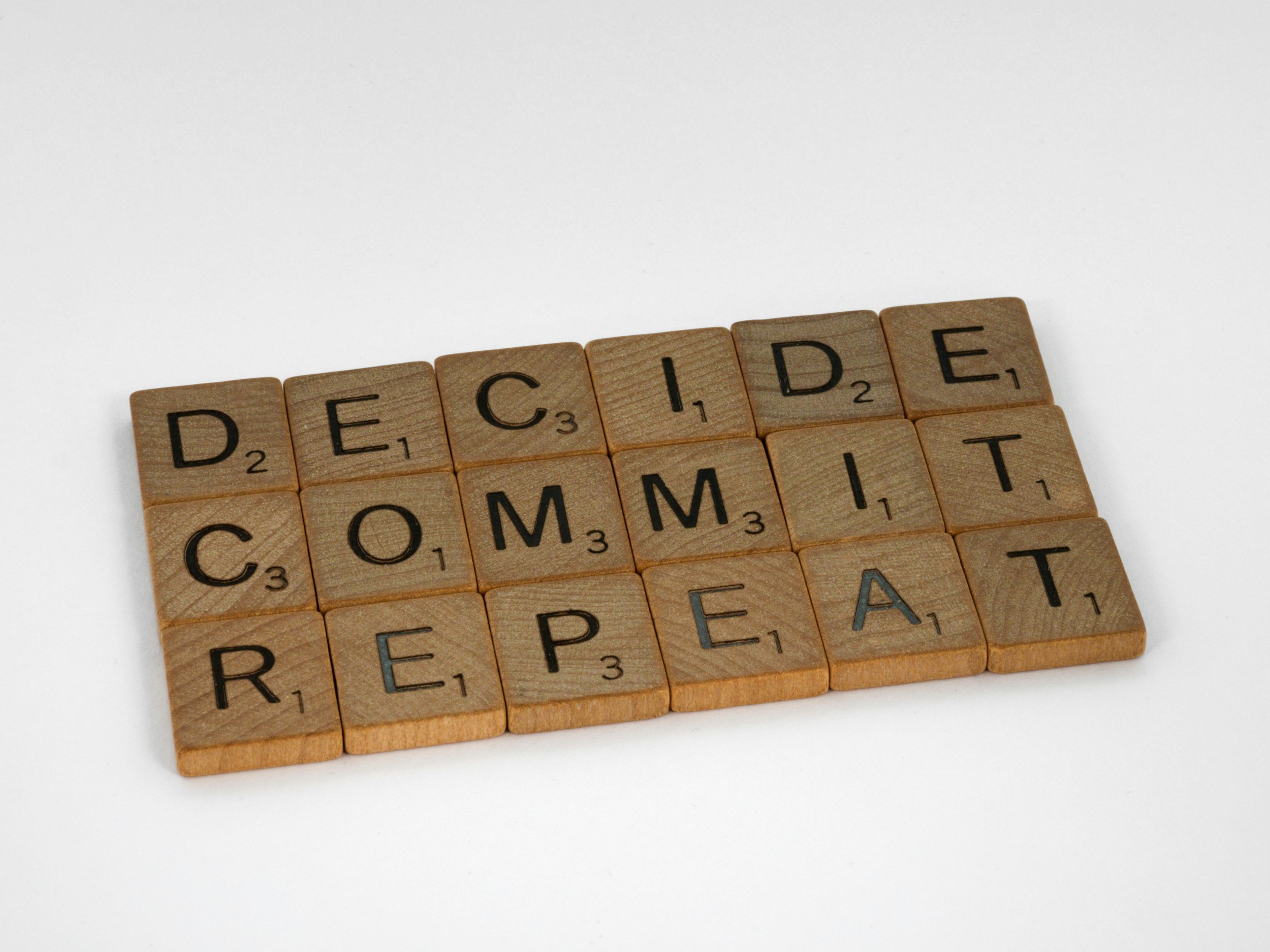
Motivation vs. Discipline: Why Showing Up Matters More Than Feeling Ready
Waiting to feel motivated before you get to work? That's the trap. Discipline, not motivation, is what separates the students who show up consistently from everyone else, and the research on effort shows you can actually train yourself to dread it less. Here's why, plus 5 practical ways to make discipline easier to switch on.

Ask the Experts: What a Gap Year Really Is
Ever wondered what a gap year actually looks like, beyond the backpacking-through-Europe stereotype? We asked two accredited gap year consultants to break down what a gap year really is, who it's for, and how it can help students build motivation, confidence, and direction before (or during) college.

Problem Admiring vs. Problem Solving
We all face a choice when something goes wrong: sit with the problem, or figure out what to do about it. Learn why dwelling can actually get in the way of solving, and try the simple 3-minute rule that helps stuck students shift from venting to action.

Think You Can, or Think You Can’t? The Power of Growth Mindset
How you think about your abilities matters. This post explores how adopting a growth mindset, believing that you can improve through effort and feedback, helps college students stay motivated, learn from challenges, and keep progress in perspective.

Getting Started When You Don’t Feel Like It: Mastering Task Initiation and Self-Activation
If you’ve ever stared at your laptop knowing that you have a paper you should start, a reading assignment you should do, or a math problem set you should finish, you know what difficulties with task initiation feel like.
Task initiation, sometimes called self-activation, is the ability to get started with a task, especially one you don’t find interesting, easy, or urgent. It’s one of the core executive functioning skills that helps you move from intention to action. When it’s working well, it looks like this: you sit down, open your laptop, and begin your work without too much internal resistance. When it’s not, you may find yourself reorganizing your desk, scrolling social media, or convincing yourself you’ll “feel more ready later.”

Building Lifelong Skills Through Habit Stacking
In a world where our to-do lists seem never-ending, finding simple, sustainable ways to accomplish goals is essential. Enter habit stacking, a powerful strategy for building new habits by tying them to ones you already do. Popularized by James Clear in Atomic Habits, habit stacking transforms your daily routines into opportunities for growth and productivity. For college students and professionals alike, mastering this skill can pave the way for lifelong success.

The Importance of Student Buy-In in Academic Coaching
One of the fundamental principles I've taken from the classroom to opening Tierney Education is the importance of student buy-in. This isn't just about students showing up for sessions; it's about them actively engaging and taking responsibility for their own learning journey.

Setting Achievable Goals: The SMART Way to Academic Success
Goal-setting isn't just a January ritual; it's a year-round endeavor crucial for academic success. However, the art of effective goal-setting is often misunderstood, leading students down a path of frustration and self-doubt. The right goals can be a roadmap to success, while the wrong ones can be a recipe for failure. In this article, we'll dive deep into the SMART framework, a proven methodology for setting achievable goals.